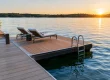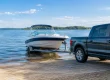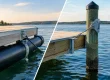
Elevating a high-end hospitality or private estate waterfront requires removing the physical discomforts and safety hazards of traditional docks. Understanding how splinter-free, slip-resistant docking enhances luxury guest experiences means focusing on advanced material design that prioritizes safety, cleanliness, and barefoot comfort. Replacing aging wood or metal decks with high-grade, micro-textured polyethylene floating platforms completely eliminates the risk of splinters, popped screws, and hot walking surfaces. By deploying these low-profile, self-leveling modular layouts, property managers create a smooth, welcoming transition from land to water, significantly reducing liability management issues while protecting the estate’s premium reputation.
The Physics of the Waterfront: Managing Site Conditions
Luxury coastal resorts, private lakefront estates, and high-end hospitality rentals face tough waterfront conditions, including intense summer heat, high humidity, rolling boat wakes, and constant water exposure. Traditional timber and aluminum docks react poorly to these conditions over time. Wood decks warp, split, and grow dangerous splinters under intense UV rays, while chemical wood stains quickly peel away in wet areas.
Furthermore, constant moisture encourages slick algae growth, turning a standard walkway into a dangerous slip hazard. Aluminum decks can heat up to painful temperatures under the Texas sun, making it uncomfortable for guests to walk barefoot. Upgrading to an engineered, UV-stabilized polymer floating dock infrastructure solves these issues. The material reflects excess heat, sheds water instantly through built-in drainage patterns, and maintains a reliable, high-traction grip even when completely wet.
Primary Risk and Operational Challenges
Guest Injuries and Immediate Liability Risks
Splinters, cuts from rusted nails, and slips on wet algae are the most common injuries on older docks. For luxury resorts and private estates, these preventable accidents cause immediate guest complaints, negative online reviews, and costly insurance liabilities.
High Maintenance Expenses and Property Downtime
Keeping wood docks looking pristine requires continuous sanding, staining, bleaching, and screw tightening. These constant maintenance demands disrupt the quiet atmosphere of a luxury property and take valuable waterfront areas out of service during peak guest seasons.
Material Decay and Visual Aging
Traditional wood and painted metals age quickly under harsh sun and salt air. As decks fade, crack, and warp, they lose their high-end look, dragging down the property’s aesthetic value and hurting premium rental or membership rates.
Engineering and Design Evaluation Criteria
Building an elite waterfront experience requires dock materials with high impact resistance to handle busy guest traffic, luggage carts, and rolling waves without denting or cracking. Property managers should choose heavy-duty, linear low-density polyethylene (LLDPE) systems built with a rotationally molded, thick-walled hollow matrix. This advanced composite material is completely non-porous and water-impermeable, meaning it will never rot, rust, or peel, and it completely resists stains from food, oils, or marine grime.
The connecting joints and anchor hardware must deliver excellent depth adaptability to keep the deck perfectly level during tidal shifts or water drawdowns, without using loud, screeching metal brackets. High-tensile rubber couplers provide a flexible, silent connection that absorbs wave shocks quietly, eliminating the annoying clanking common with older aluminum or steel docks. This modular scalability lets estate managers easily add matching premium accessories—such as safety handrails, swim ladders, or drive-on PWC ports—ensuring a clean, unified style across the entire private marina.
Best Practices for Site Integration and Longevity
A successful upscale installation begins with a detailed site assessment to evaluate your primary guest walking paths, accessibility needs, and lighting layouts. Position the floating platforms to create a smooth, low-gradient transition from shore to dock, using a matching non-slip aluminum gangway with custom transition plates to eliminate trip hazards.
The dock modules should be anchored using groutless, high-tensile internal piling sleeves or under-dock brackets, keeping all structural pipes hidden beneath the deck line to preserve clean, premium views. Secure all structural accessories with marine-grade stainless steel through-bolts and recessed backing plates to keep all hardware completely flush with the walking surface. Set up a simple, low-effort maintenance routine that requires only a quick power wash or water rinse to clear away dust and keep the non-slip texture performing flawlessly year after year.
Site Assessment Planning Checklist
- [ ] Guest Traffic Patterns: Map out your primary walking paths to size walkways correctly for heavy guest use and luggage carts.
- [ ] Barefoot Temperature Testing: Ensure your dock material features light-colored, heat-reflecting polymers suited for mid-summer sun.
- [ ] Surface Drainage Performance: Confirm the deck design includes built-in drainage channels to prevent standing water and puddles.
- [ ] Flush Hardware Check: Inspect all connection points to ensure bolts, pins, and brackets are fully recessed below the walking surface.
- [ ] ADA Accessibility Compliance: Verify that your gangway lengths and transition ramps maintain safe gradients at all tide levels.
- [ ] Hidden Anchoring Alignment: Arrange pile guides and anchor lines beneath the dock line to preserve unobstructed waterfront views.
- [ ] Stain and Chemical Resistance: Ensure the polymer matrix resists spills from sunscreens, food, drinks, and fuel grime.
- [ ] Local Safety Railing Rules: Check local HOA and building codes to see if your layout requires integrated perimeter handrails or custom safety gates.
Frequently Asked Questions
How does a polyethylene dock stay cooler than a wood or aluminum deck in hot weather?
High-grade rotationally molded polyethylene features a hollow, air-filled core and light-colored, UV-resistant compounds that reflect solar energy and release heat quickly, keeping it comfortable for bare feet.
Does the slip-resistant texture feel rough or uncomfortable for young children walking barefoot?
No. Premium marine docks use a micro-textured slip-resistant pattern that provides excellent traction for wet feet while remaining soft, smooth, and completely safe for toddlers and young children.
How do you keep the non-slip surface from getting slick with algae over time?
Because the polymer material is completely non-porous, algae cannot take root inside it. Any light surface slime can be quickly cleared away with a routine power wash or a simple rinse with a garden hose.
Can these premium polymer docks handle heavy commercial resort use?
Yes. These heavy-duty modular systems are engineered for high-exposure commercial settings, supporting upwards of 30 to 60 pounds of deadweight per square foot while remaining perfectly stable under heavy guest foot traffic.
What happens if a guest spills red wine or boat fuel on the dock deck?
The non-porous LLDPE material is highly chemical and stain-resistant. Spills cannot soak into the deck and can be wiped clean or hosed off instantly without leaving permanent stains or discoloration.
Designing Premium Waterfront Experiences with Professional Consulting Partner
Upgrading your private resort or luxury estate with engineered, high-comfort docking matches top-tier hospitality standards with smart, durable asset management. Understanding how splinter-free, slip-resistant docking enhances luxury guest experiences removes common safety hazards, lowers your seasonal upkeep costs, and delivers a pristine, welcoming space for your guests.
As a leading planning, engineering, and configuration partner for elite residential developments, luxury hospitality operators, and private marinas across Texas, EZ Dock Texas provides custom site assessments and heavy-duty floating dock infrastructure built for premium waterscapes. Our expert team delivers turn-key layouts that focus on long-term durability, safety, and high-end design. To see our latest hospitality installations and connect with regional specialists, visit our community page on Facebook.