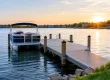
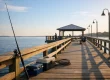
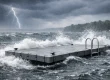
Safer water access points reduce congestion, improve launch stability, separate paddlesports from boat traffic, and create a better experience for visitors of all skill levels. Texas parks increasingly prioritize organized paddlesport access because participation continues to grow across municipal lakes, county parks, marinas, and public recreation areas.
Key Takeaways
- Paddlesports require different launch access than powerboats.
- Organized launch zones improve safety and reduce congestion.
- Stable shoreline access lowers slip-and-fall risk significantly.
- Dedicated staging areas improve visitor circulation and operations.
- Preventive maintenance protects long-term launch usability.
Why This Matters
Kayaks, canoes, and paddleboards have changed public waterfront recreation across Texas.
What was once considered a small recreational category is now one of the fastest-growing segments of outdoor activity at municipal lakes, county parks, marinas, and state recreation areas. Families, tourists, fitness groups, anglers, and casual visitors increasingly use paddlesports because they are affordable, accessible, and easy to participate in without large equipment requirements.
That growth is reshaping waterfront planning.
Many older public access areas were designed almost entirely around trailered boats and fishing activity. They were never intended to safely support large numbers of paddlesports users carrying lightweight equipment through crowded launch ramps and shoreline traffic.
As participation grows, those outdated layouts create operational problems quickly.
Unsafe or poorly planned launch areas often lead to:
- Pedestrian congestion
- Slip-and-fall hazards
- Conflicts with boat traffic
- Shoreline erosion
- Accessibility limitations
- Emergency access challenges
- Frustration for visitors and staff
The biggest issue is usually mixing incompatible recreation activity together.
Traditional boat ramps operate very differently from paddlesports access points. Powerboats require backing space, trailer circulation, and launch depth. Kayak and paddleboard users move more slowly, carry equipment by hand, gather in groups, and often need staging space near the shoreline.
When those two recreation types share the same launch zone, confusion increases immediately.
That is why many Texas parks and waterfront operators now prioritize dedicated paddlesports access planning.
Safer water access points improve:
- Visitor safety
- Launch efficiency
- ADA accessibility
- Staff operations
- Shoreline protection
- Overall recreation experience
They also help parks accommodate future recreation demand more effectively.
Texas continues seeing increased interest in outdoor recreation, especially near urban areas where public lake access remains limited. Facilities that provide organized paddlesports access often become stronger regional recreation destinations because they support broader visitor groups.
The operational benefits matter as much as the recreational ones.
Dedicated launch areas reduce congestion near boat ramps, improve shoreline management, and simplify circulation patterns for both visitors and staff. Well-organized launch systems also reduce random shoreline entry points that contribute to erosion and environmental damage.
That long-term operational stability is becoming increasingly important for public agencies balancing recreation growth with maintenance realities.
Common Mistakes to Avoid
- Mixing kayak launches directly with trailer boat ramps
- Creating steep or unstable shoreline entry points
- Ignoring ADA accessibility requirements
- Failing to provide staging space near launch areas
- Allowing uncontrolled shoreline access paths
- Using slippery walking surfaces near water entry
- Underestimating peak paddlesports traffic during weekends
Best Practices
Separate Paddlesports From Boat Traffic
One of the most important safety improvements is creating dedicated launch space away from heavy trailer circulation.
Kayakers and paddleboard users need calmer, slower-moving launch environments with clear pedestrian access.
Create Stable Shoreline Entry
Launch areas should feel predictable and secure for visitors of all experience levels.
Strong launch design focuses on:
- Stable footing
- Gradual water entry
- Slip-resistant surfaces
- Clear approach paths
- Calm launch zones
This becomes especially important for families and beginner users.
Include Staging Areas
Paddlesports users often need space to organize equipment before entering the water.
Small staging areas reduce congestion and improve launch efficiency significantly during busy periods.
Improve Wayfinding
Visitors should quickly understand:
- Where to park
- How to reach launch areas
- Which routes are pedestrian-only
- Where paddlesports zones begin
- Where boat traffic operates
Clear circulation reduces confusion and improves safety immediately.
Plan Around Water-Level Changes
Texas water conditions fluctuate throughout the year.
Launch areas should maintain usability during both higher and lower water conditions whenever possible. Facilities that ignore seasonal fluctuation often create accessibility problems later.
Maintenance & Operations Plan
Daily
- Inspect launch surfaces for slipping hazards
- Remove debris near shoreline access
- Review congestion during peak periods
Weekly
- Inspect handrails and launch hardware
- Review shoreline wear conditions
- Check signage visibility
Monthly
- Evaluate launch circulation patterns
- Inspect erosion near access points
- Review ADA accessibility routes
Quarterly
- Assess seasonal recreation demand changes
- Review maintenance workload trends
- Inspect structural conditions
Annually
- Conduct full launch area assessment
- Review safety incident reports
- Update phased recreation planning priorities
Budget & Planning Notes
Paddlesports access projects are often more affordable than large boat launch expansions, but operational planning still matters heavily.
Communities should evaluate:
- Visitor growth projections
- Parking capacity
- Shoreline stabilization
- Accessibility requirements
- Maintenance staffing
- Environmental impact
- Long-term durability
Phased launch improvements often allow agencies to improve recreation access quickly while leaving room for future expansion.
Grant funding tied to outdoor recreation, accessibility, tourism, and shoreline conservation may also support paddlesports infrastructure projects.
Safety & Liability Considerations
Poorly planned launch access increases the risk of:
- Slipping accidents
- Pedestrian conflicts
- Emergency response delays
- Shoreline erosion
- Congestion near water entry
- ADA accessibility complaints
Facilities should maintain:
- Slip-resistant surfaces
- Clear signage
- Organized circulation
- Safe pedestrian routes
- Routine inspections
- Reliable shoreline stability
- Emergency access visibility
This content is informational only and not legal advice.
FAQ
Why are safer water access points becoming more important?
Paddlesports participation continues growing across Texas parks, municipal lakes, and public recreation areas.
Should kayaks share space with boat ramps?
In most cases, separate launch access improves safety and circulation significantly.
What creates the biggest launch safety problems?
Slippery surfaces, congestion, unstable shorelines, and poor visitor circulation create many operational risks.
How important is ADA accessibility for paddlesports access?
Very important. Public recreation areas increasingly need inclusive access planning for broader visitor use.
Why do launch staging areas matter?
They reduce congestion and give visitors space to organize equipment safely before entering the water.
How do changing water levels affect launch planning?
Water fluctuations impact launch usability, shoreline stability, and accessibility throughout the year.
Can launch improvements reduce shoreline erosion?
Yes. Organized access points reduce uncontrolled foot traffic and shoreline damage.
Why is visitor flow important near launch areas?
Confusion and congestion increase accident risk and operational stress during busy recreation periods.
How often should launch areas be inspected?
Busy public access points should receive regular visual inspections weekly and broader reviews seasonally.
What should agencies prioritize first?
Safe access, circulation, shoreline stability, and separation from larger boat traffic should come first.
Checklist
☐ Separate paddlesports from boat ramp traffic
☐ Review shoreline stability conditions
☐ Evaluate slip-resistant walking surfaces
☐ Assess ADA accessibility gaps
☐ Create staging areas near launches
☐ Improve directional signage visibility
☐ Inspect parking and circulation patterns
☐ Review emergency access routes
☐ Evaluate seasonal water-level impacts
☐ Inspect shoreline erosion exposure
☐ Review launch congestion during peak periods
☐ Update maintenance inspection schedules
☐ Improve nighttime visibility if needed
☐ Coordinate environmental shoreline review
☐ Plan phased expansion opportunities
As paddlesports participation continues growing across Texas parks, county lakes, marinas, and HOA waterfronts, safer water access points are becoming increasingly important for public safety, visitor experience, and long-term recreation planning. Organizations evaluating launch improvements, shoreline access upgrades, or future paddlesports infrastructure can connect with EZ Dock Texas or follow regional waterfront planning insights on Facebook.