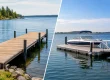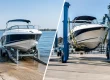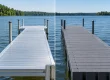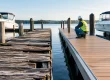
A kayak launch should do more than create a place to put a boat in the water. The best kayak launch features make the transition from dock to cockpit controlled, repeatable, and comfortable for beginners, experienced paddlers, children, older adults, and rental guests alike. Whether the launch serves a private lake home, a campground, a city park, or a busy outfitter, good design reduces awkward stepping, protects equipment, and keeps the waterfront moving safely.
Best Kayak Launch Features Start With a Stable Entry
The first few seconds of entering or exiting a kayak are where most users need the most support. A launch should hold the boat close enough to the dock that a paddler is not forced to step across a widening gap or brace against an unstable hull. A purpose-built launch cradle, guide rail, or roller system can keep the kayak aligned while the user gets seated and adjusts their balance.
Stability is not only about the launch attachment itself. It also depends on the dock beneath it. A floating dock system with adequate buoyancy, sound connections, and anchoring suited to the site creates a more predictable platform. If the dock shifts excessively when someone steps aboard, even a well-designed kayak launch will feel less secure.
For locations with frequent traffic, consider how two users will interact. A single launch may be ideal for a home or fishing cabin, while a park, camp, or rental operation may need multiple launch positions or a wider boarding area. Providing room for a waiting paddler, an instructor, or a caregiver keeps people from crowding the edge.
Low Freeboard Makes Boarding Easier
Freeboard is the vertical distance between the water and the deck surface. For kayaks and canoes, a lower freeboard generally makes entry and exit easier because the paddler has less distance to step or slide down. It also makes it simpler to manage a paddle, fishing gear, dry bag, or a dog without overreaching.
That said, the lowest deck is not automatically the best answer for every property. A dock that sits very close to the water may be more exposed to splash, boat wake, and seasonal debris. The right height depends on typical water conditions, the types of boats using the area, and whether the launch must also connect to a general-purpose dock system.
Floating systems are especially useful on reservoirs, lakes, and ponds where water levels change. Because the launch rises and falls with the dock, the relationship between the kayak and boarding surface stays more consistent than it would with a fixed platform. In Texas, Oklahoma, Arkansas, and New Mexico, where water levels can vary substantially through the year, that adaptability can make a major difference in everyday usability.
Look for Support Without Restricting Movement
Handholds, rails, and side supports can give paddlers something secure to use while lowering into the cockpit or standing up after a trip. The key is placement. Supports should be easy to reach without blocking the paddle stroke, trapping gear, or making the launch difficult to approach.
A launch designed for adaptive access may include additional transfer support, handrails, or a layout that accommodates assistance from another person. These details should be selected around the actual users of the site, not added as an afterthought. Public facilities may also need to consider applicable accessibility requirements, local regulations, and agency standards during planning.
A Non-Slip Surface Matters in Real Conditions
Kayak launches get wet. They collect sand, mud, sunscreen, bait, leaves, and the occasional fish that slipped free at the dock. A surface with dependable traction helps users keep their footing when conditions are less than perfect.
Textured, slip-resistant decking is a practical feature, but the deck should also drain well and remain comfortable under bare feet. Avoid layouts that create persistent puddles near the boarding zone. On a high-use public launch, select materials that can handle repeated abrasion from kayak hulls, carts, footwear, and equipment without requiring constant repair.
Color can be functional as well. A clear visual contrast between the main dock, launch area, and edge can help users identify where to step, particularly in early morning, at dusk, or during crowded events. Lighting may be appropriate for facilities with evening use, though it should be positioned to support visibility without creating glare on the water.
Choose Hull Protection That Fits Your Fleet
The best kayak launch features protect both people and boats. Rollers, bumpers, and molded guides can reduce hull scraping while helping a kayak stay in position. This is particularly valuable for rental fleets and outdoor programs, where boats are launched many times each day by users with different experience levels.
The right contact surface depends on the types of craft being used. Recreational sit-inside kayaks, sit-on-top kayaks, fishing kayaks, touring boats, and canoes have different widths, hull shapes, and weights. A narrow guide that works well for one boat may be frustrating for a wider fishing kayak. If a facility expects varied equipment, a more open and adaptable launch design is usually the better long-term choice.
Do not overlook paddleboards. Many waterfront properties serve both paddlers and board users, but a kayak launch with deep guides or restrictive side supports may not suit a stand-up paddleboard. A nearby low-freeboard boarding edge or dedicated board-access area can prevent conflicts and make the entire dock more useful.
The Dock Connection Is Part of the Launch Design
A launch does not operate in isolation. Users need a safe route from shore to the water, and that route should account for grade changes, fluctuating water levels, wheel carts, and the amount of gear people carry. A properly sized gangway can provide a stable connection while allowing the floating dock to move with the water.
The transition from gangway to dock deserves close attention. Tight turns, abrupt elevation changes, and narrow paths can be inconvenient for a person carrying a 10-foot kayak or pulling a cart. A thoughtful layout leaves enough open deck space to stage boats without blocking the path to a boat slip, fishing area, swim ladder, or other dock feature.
Anchoring also affects launch performance. A dock that is appropriate for a calm protected pond may need a very different anchoring approach on a larger lake with wind fetch, wake, or changing depths. Pile guides, cable systems, deadweight anchors, and other methods each have their place. Site conditions should drive the decision, not a one-size-fits-all package.
Plan for Traffic, Storage, and Supervision
At a residence, a kayak launch often works best near storage, a shoreline path, or a boat port, so equipment is easy to retrieve and return. At a public site, separation is more important. Keep paddlers away from powerboat fueling, launch ramps, active slips, and high-wake travel lanes whenever possible.
Commercial operators should also consider supervision. An instructor or staff member may need a clear sightline to the launch, plus room to assist a guest without standing in a congested walkway. For youth camps and school programs, a staging area on shore can prevent a group from gathering on the dock all at once.
If carts are part of the plan, confirm that the route accommodates their wheel width and turning radius. Storage racks can help keep boats off the ground and away from the dock edge, but they should not turn the access route into an obstacle course.
Durable Materials Reduce Long-Term Work
A kayak launch sees repeated contact, moisture, ultraviolet exposure, and changing temperatures. Materials should be selected for long-term waterfront use rather than short-term appearance. Low-maintenance, modular floating dock components can be repaired, expanded, or reconfigured as a property’s needs change.
This flexibility is valuable when a homeowner adds more boats, a campground expands its rental program, or a municipality introduces an adaptive paddling initiative. Instead of replacing the entire waterfront system, the launch area can often be modified within a larger dock layout.
EZ Dock Texas helps property owners and public agencies evaluate those site-specific decisions, from dock configuration and anchoring to launch access and installation. A customized plan is especially worthwhile when water levels fluctuate, shoreline grades are challenging, or multiple recreational uses must share the same waterfront.
A good kayak launch feels simple because the difficult work has already been handled in the design. Start with how people will arrive, carry their gear, enter the boat, and return after a long day on the water. That practical sequence will point you toward a launch that stays safe, useful, and ready for years of paddling.