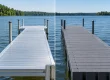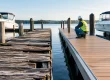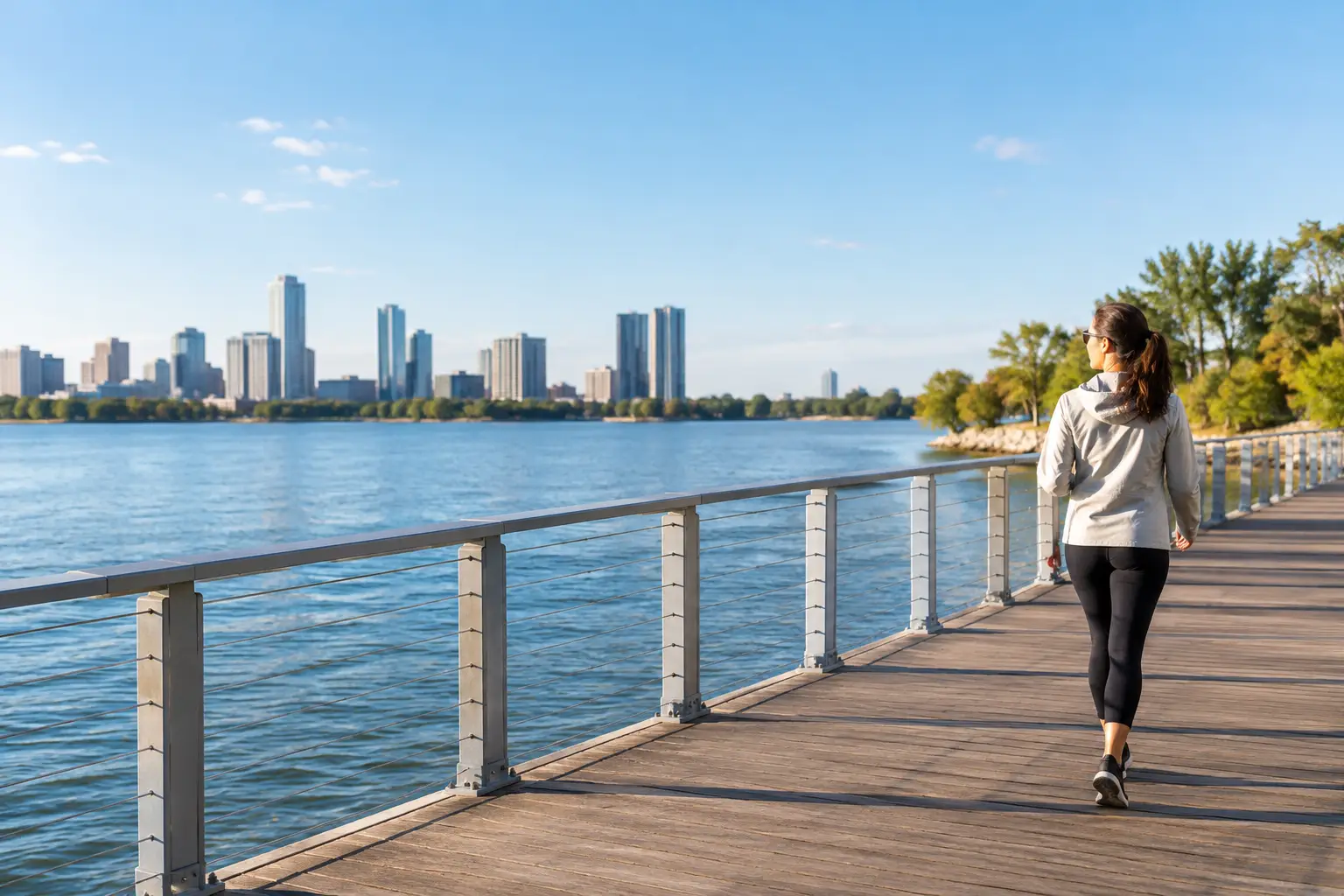
A public shoreline can look usable from the parking lot and still fail the people who need it most. A steep bank, an unstable ramp, a dock that sits too high at low water, or a launch that forces paddlers to climb awkwardly over the edge can turn a valuable amenity into a liability. This public waterfront access guide helps park managers, municipalities, marina operators, schools, and property developers plan access that works in real conditions – not just on opening day.
Public access is rarely one piece of equipment. It is a connected experience from the arrival point to the water and back again. That means considering parking, pedestrian routes, grades, transitions, railings, dock surfaces, water-level changes, and the range of people and activities the site is meant to serve.
Start With the Public Waterfront Access Goal
The right layout begins with a clear answer to a simple question: what should people be able to do at this waterfront? A fishing pier, a boat boarding dock, a kayak launch, a swimming access point, and an emergency-response landing each place different demands on the site.
A community park may need several functions in one footprint. Anglers need room to cast without blocking circulation. Families need predictable edges and sturdy handholds. Kayakers need a low, stable transfer area that reduces the struggle of entering or exiting a boat. Maintenance crews need access for inspections and seasonal work. If the site hosts events or rental operations, peak traffic can be far greater than ordinary weekday use.
Define the expected users before choosing dock sections, gangways, or accessories. Consider children, older adults, people using mobility devices, first-time paddlers, experienced boaters, staff, and emergency personnel. Designing only for the most confident user usually creates access gaps for everyone else.
Evaluate the Shoreline Before Selecting Equipment
Waterfront equipment performs only as well as the conditions supporting it. Before finalizing a layout, document the shoreline, water depth, bottom conditions, seasonal water movement, prevailing wind, wakes, and nearby boating traffic. A calm pond with modest level changes calls for a different approach than a wind-exposed reservoir that rises and falls several feet over the year.
Water-Level Change Drives the Design
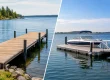
Fixed structures can become too high above the water at low levels or disappear beneath the water during high-water events. Floating dock systems rise and fall with the water, helping preserve a more consistent boarding elevation. But the dock still needs a properly planned gangway, anchoring approach, and shore connection to remain functional through the expected range.
Gangway slope deserves particular attention. A route that feels manageable at normal water may become too steep when the lake drops. Longer gangways can reduce the grade, although they require more shore space and may affect the overall budget. There is no universal gangway length. The appropriate solution depends on the elevation range, available shoreline, intended users, and applicable accessibility requirements.
Bottom Conditions and Exposure Matter
Muddy bottoms, rocky shorelines, deep water, fluctuating reservoirs, and high-wake areas all influence anchoring and stabilization. Anchoring must control movement without creating trip hazards, pinch points, or unnecessary stress on the dock system. In exposed locations, durability is not simply about heavier components. It is about matching the complete system – dock configuration, couplers, anchoring, gangway, and accessories – to the forces the site will experience.
A site visit is often the fastest way to identify issues that drawings alone may not reveal. Look for erosion, submerged hazards, changing bank conditions, drainage paths, and the practical route installers and maintenance teams will use to reach the water.
Build a Safe Route From Parking to Water
The dock is only one part of public waterfront access. Visitors need a route that is easy to find, stable underfoot, and clear of conflicts between pedestrians, vehicles, boats, and equipment.
Plan the arrival sequence as carefully as the dock itself. Parking and drop-off areas should connect to a defined pedestrian route. Where grades change, provide appropriate transitions and handrails. At the shoreline, avoid abrupt steps, loose gravel, or narrow pinch points that can become dangerous when visitors carry fishing gear, coolers, paddles, or life jackets.
Lighting may be appropriate at facilities open early or late, especially near boarding areas, ramps, and changes in elevation. It should improve visibility without creating excessive glare on the water. Railings, gates, and edge protection should be placed where they support safe movement while preserving the operational needs of boaters and staff.
Clear signage also earns its place in the design. Use it to identify launch areas, loading zones, accessible routes, fishing areas, life jacket expectations, and site-specific rules. Signs cannot solve a poor layout, but they can reduce confusion at a well-planned one.
Match the Access Feature to the Activity
A versatile waterfront can include multiple access points rather than asking one dock to do everything. Modular floating systems are especially useful when a park, marina, or public agency expects needs to change over time.
Kayak and Canoe Launches
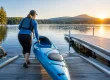
Paddlesports access works best when users can get close to the water without balancing on a narrow edge or stepping into soft shoreline mud. A dedicated launch can provide a stable platform, a controlled transfer area, and handholds that support entry and exit. This is particularly valuable at public sites where many visitors may be new to paddling.
Locate paddle launches away from powerboat loading traffic whenever possible. The goal is to reduce wake, congestion, and the pressure of sharing space with larger vessels. Consider storage, rental operations, and the path users will take while carrying boats to and from the launch.
Fishing Piers and Viewing Areas
Fishing access needs usable edge space, durable surfaces, and circulation room behind anglers. If the pier serves the public, include places where families can pause without blocking the primary route. Railings may improve safety in some areas, but they must be configured thoughtfully so they do not interfere with casting or fish landing.
Viewing platforms benefit from similar planning. A place to enjoy the water should feel welcoming without encouraging visitors to climb on edges or gather in a narrow transition zone.
Boat Boarding and Marina Access
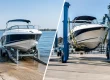
Boarding docks need enough freeboard, slip arrangement, and mooring capacity for the boats they serve. Public marinas may also require fuel access, utility routing, security considerations, and service access. When docks handle transient traffic, simple circulation and clear designation of short-term versus assigned spaces can prevent avoidable conflicts.
For facilities with personal watercraft, dedicated ports can keep equipment protected and reduce the repeated lifting, pulling, and shoreline wear that comes with improvised storage.
Plan for Accessibility, Maintenance, and Rules Early
Public projects may be subject to accessibility standards, local building requirements, shoreline management rules, environmental review, and permits from lake authorities or other governing agencies. Requirements vary by site, ownership, waterbody, and intended use. Address them during planning, not after equipment has been ordered.
Accessibility is more than meeting a dimension on a plan. It involves a continuous, usable route and access features that work under normal operating conditions. A floating dock can support better access on changing water, but it does not automatically make every route compliant. The gangway grade, landing areas, handrails, surface conditions, and operational water range all matter.
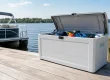
Maintenance planning should be equally practical. Choose materials that resist water, sun exposure, and routine public use. Specify surfaces that are easy to clean and inspect. Leave room for staff to service anchors, replace accessories, and remove debris after storms. A low-maintenance system does not mean no maintenance; it means the work is more predictable and manageable over the long term.
Design for Change Instead of Rebuilding Later
Waterfront programs change. A city may add a paddling program, a campground may expand, or a marina may need more transient slips. A modular system can make future additions more practical than replacing an entire fixed structure.
That flexibility is especially useful across Texas, Oklahoma, Arkansas, and New Mexico, where reservoir levels, weather patterns, and shoreline conditions can vary dramatically. American-made modular floating dock components can be configured for current use while leaving a logical path for extensions, launches, railings, lighting, or specialized ports later.
A phased project can also be a responsible way to manage public budgets. Build the essential safe route and primary water access first, then expand as use patterns and funding allow. The key is to plan the first phase so it does not limit the second.
Work With a Waterfront Specialist Before Construction
Public waterfront access combines site planning, public safety, accessibility, permitting, and marine construction details. The most cost-effective decision is often made before installation begins: selecting a layout that fits the site rather than forcing standard components into an unsuitable location.
EZ Dock Texas helps public agencies, parks, marinas, and property managers evaluate these decisions from concept through installation, including customized floating dock layouts, gangways, anchoring, launches, fishing access, and accessories. A detailed consultation can clarify what the shoreline can support, what users need most, and where future expansion should be anticipated.
The strongest public waterfront projects make access feel ordinary: visitors arrive, move safely to the water, launch or board with confidence, and leave with the sense that the facility was built for them. That is the standard worth planning for.