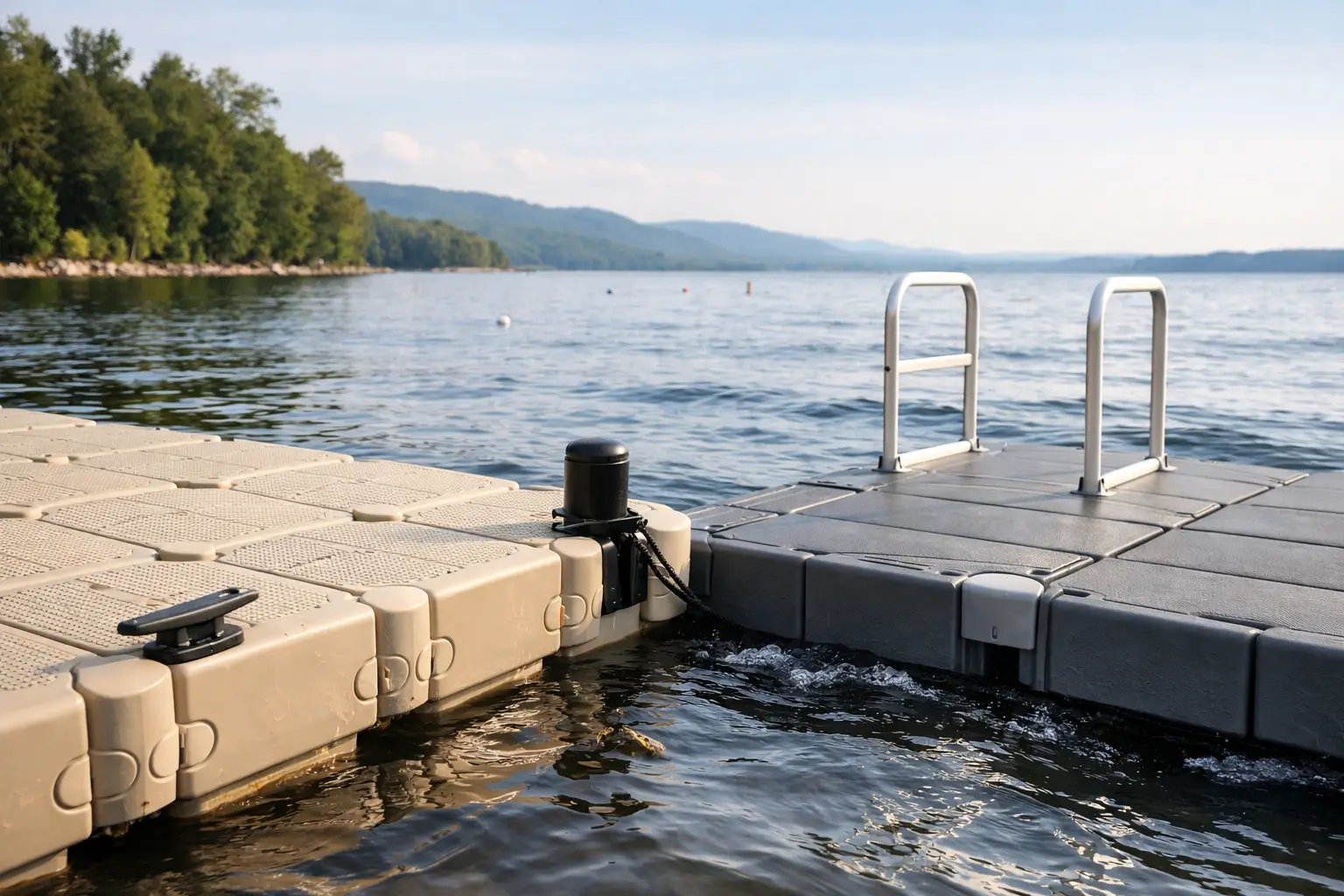
A dock that works beautifully at a normal lake level can become difficult to use when the water rises, recedes, or shifts with the season. That is where floating dock sections make a meaningful difference. Rather than committing to a fixed layout that only suits one shoreline condition, property owners and facility managers can build an access system that floats with the water and can grow with the way people use it.
For a lake home, that may mean adding room for a second boat or a better place to launch kayaks. For a marina, park, or campground, it may mean creating safer public access, more efficient circulation, or a layout that supports future expansion. The value is not simply in having modular pieces. It is in designing those pieces around the water, the users, and the conditions that will shape the dock over time.
What Floating Dock Sections Do Differently
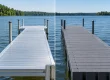
Floating dock sections are individual, interconnected platforms that create a larger dock system. Each section floats on the water surface and is connected to adjacent sections with purpose-built couplers. The completed system is then secured to the shoreline, lakebed, pilings, or another anchoring method appropriate for the site.
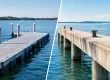
Unlike a fixed dock, a floating system rises and falls with changing water levels. This is particularly valuable on reservoirs and lakes across Texas, Oklahoma, Arkansas, and New Mexico, where water levels can change substantially because of weather patterns, releases, drought, or seasonal demand.
Modularity also changes how a dock can be planned. A straight walkway can later become an L-shaped fishing area. A residential dock can gain a boat port, personal watercraft port, swim platform, or kayak launch without requiring a complete replacement. Commercial and public facilities can add slips, boarding areas, floating boardwalks, or accessible routes as usage grows.
That flexibility does not mean every layout is automatically simple. The sections still need to be selected, anchored, and configured for real-world loads, wave action, traffic patterns, and shoreline conditions. A modular dock should feel intentional when it is finished, not like a collection of parts added without a plan.
Choosing the Right Floating Dock Sections
The best section size and configuration depend on what people will do at the water. A narrow walkway may be appropriate for reaching a single boat, while a family swim dock or public fishing platform needs more usable surface area. Wider sections can improve circulation and provide space for seating, gear, coolers, anglers, or mobility devices, but they also affect the overall footprint, cost, and anchoring requirements.
Start With the Primary Use
A homeowner who wants safe access to a boat will approach the layout differently than a camp that needs a supervised swimming area. Marina operators need to consider slip access, utility routing, boarding space, and the flow of customers carrying equipment. Parks and municipal facilities must also account for durability, public safety, accessibility, and predictable traffic patterns.
Before selecting a layout, identify the activities the dock must support now and those likely to be added later. Common uses include boating, fishing, swimming, paddlesports, personal watercraft storage, rowing access, and waterfront events. It is easier to plan connection points and expansion space at the beginning than to work around a layout that has reached its limit.
Plan for Movement, Not Just Square Footage
A dock can have plenty of square footage and still feel crowded or unsafe. Consider where people step on and off the dock, where boats will tie up, where anglers will stand, and how people carrying kayaks or life jackets will pass one another. On public docks, clear movement paths are especially important.
Corners, T-configurations, and wider platform areas often create useful gathering and turning space. They can also add loads and expose more dock surface to wind and waves. The right solution depends on the site. A protected private cove may support a different layout than an open-water marina shoreline subject to heavy boat wake.
Think Beyond the Deck Surface
The visible floating platform is only one part of the system. A reliable dock design also considers gangway placement, freeboard, railing needs, ladders, lighting, cleats, bumpers, and how the dock will connect to the shore.
For example, a dock that moves with the water needs a gangway capable of accommodating changing elevations. A shoreline with a steep grade may need a longer gangway or a more carefully planned landing area. If users include children, older adults, or visitors with mobility limitations, access details deserve attention early in the process.
Anchoring Is What Keeps the System Working
Floating dock sections are designed to move vertically with the water, but they should not drift, twist excessively, or pull away from the shoreline. Anchoring controls that movement. The appropriate approach depends on water depth, bottom conditions, expected water-level changes, fetch, wind exposure, wave action, shoreline geometry, and dock size.
Some projects use piling systems, which guide the dock up and down while holding it in position. Others use cable, deadweight, or shore-based anchoring systems. Deep-water locations, fluctuating reservoirs, and high-use commercial facilities often require more detailed engineering and installation planning than a small protected pond.
Anchoring is not an area for guesswork. An undersized or poorly matched system can lead to excessive movement, stressed connections, damaged equipment, and frustrating seasonal adjustments. A properly designed anchoring plan protects the dock investment and helps maintain safe access throughout changing conditions.
Material Choices Affect Long-Term Ownership
Many waterfront owners have experience with wood docks that require regular staining, board replacement, splinter management, and repairs after prolonged sun and moisture exposure. Floating dock systems built with durable polyethylene sections offer a different ownership model: low maintenance, stable walking surfaces, and resistance to the common problems that come with traditional wood construction.
American-made EZ Dock sections are engineered for long-term waterfront use and can be configured for residential, commercial, and public applications. Their modular design makes it practical to add accessories and expand the system over time, rather than starting over when the property or program changes.
There are trade-offs to consider. Premium modular systems can cost more upfront than a basic temporary platform, particularly when professional anchoring, gangways, and installation are included. But the initial price should be weighed against maintenance demands, expected lifespan, adaptability, and the cost of replacing a poorly matched dock later.
For many owners, the goal is not the least expensive dock this season. It is a system that remains useful through changing water levels, changing equipment, and changing ways of enjoying the property.
Layout Ideas for Common Waterfront Needs
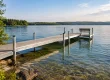
A straight run from shore to a modest platform is often enough for a private pond or a single boat. Add a side section, however, and the same system can become a more functional fishing or swimming area. An L-shaped layout can separate boat access from recreational space, while a T-shaped end gives multiple users room to spread out.
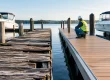
For paddlesports, a low-profile launch area positioned away from powered boat traffic can make entering and exiting much easier. Resorts and campgrounds may benefit from a floating boardwalk that directs guests to dedicated boat, swimming, or rental areas. Marinas often need repeated, organized sections that create consistent slips and predictable boarding access.
Public projects need another layer of consideration. Railings, transfer points, dock edges, gangway slopes, lighting, and emergency access can all influence the final configuration. A good design balances the desired experience with the practical responsibility of operating a safe, durable waterfront facility.
Build With the Next Five Years in Mind
The most useful question is not, “What is the smallest dock we can install?” It is, “What will this waterfront need to do as our use changes?” A family may purchase a boat, add personal watercraft, or begin hosting more guests. A park may expand a paddling program. A marina may need more slips after a successful season.
Leave room in the concept for future connection points, upgraded anchoring, and accessories that may become necessary. That does not require buying every component immediately. It means choosing a system that allows expansion without forcing a full redesign.
A professional site review can identify details that are easy to miss from the shoreline, including water depth changes, exposed wind direction, bottom conditions, access for installation equipment, and the distance between seasonal high and low water. Those details determine whether floating dock sections will perform as intended year after year.
The right dock should make time at the water easier, safer, and more enjoyable. Start with how the property is used today, then give the design enough flexibility to serve the people who will use it next season and years from now.