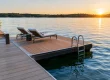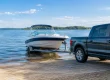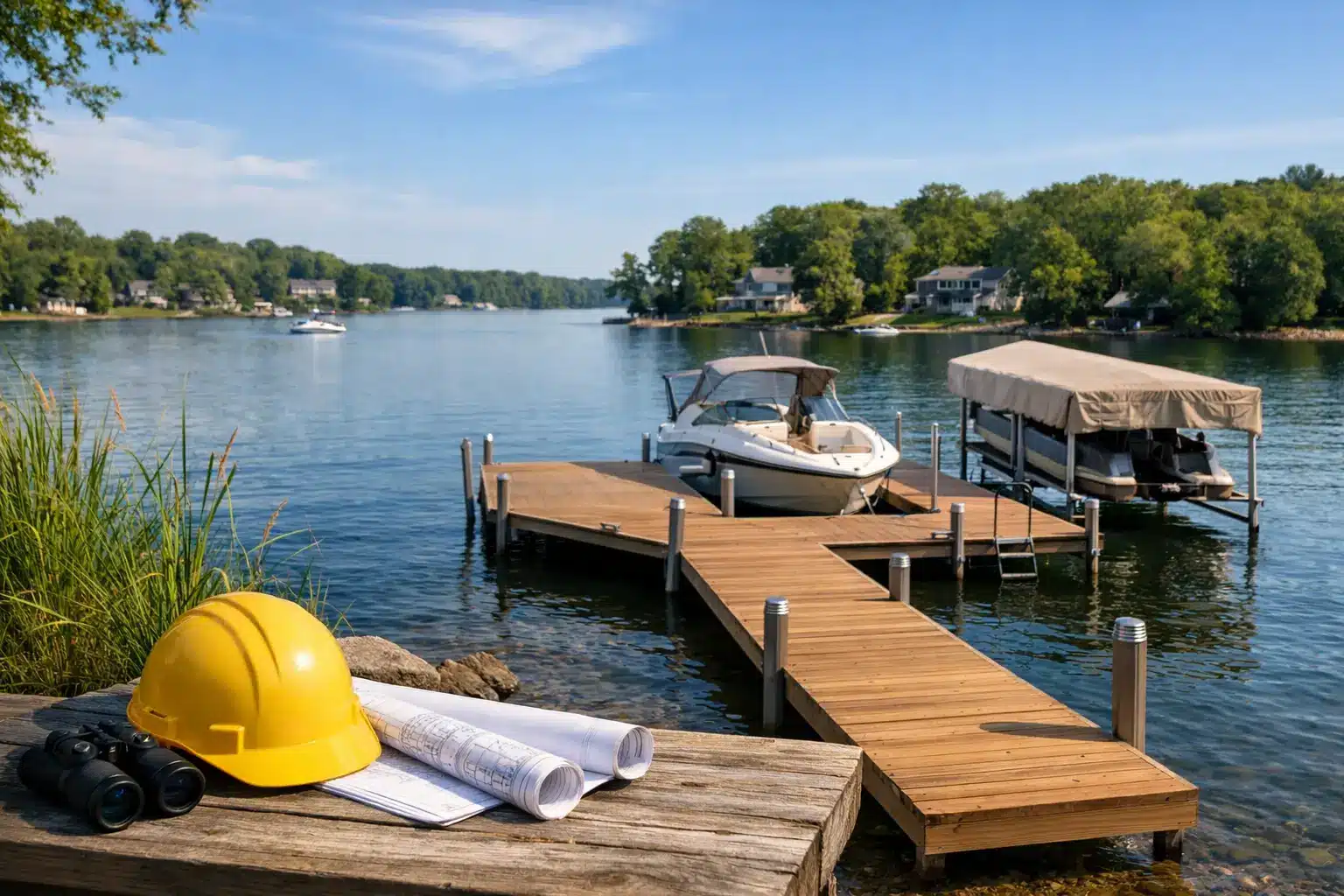
A dock can look simple from the shoreline: a gangway, a floating platform, a place to step aboard. But before materials arrive or an installation date is scheduled, the project may need approval from more than one authority. Dock permit requirements are shaped by where the water is located, who owns the shoreline and lakebed, the dock’s size and use, and whether the work could affect navigation, habitat, floodplain conditions, or public access.
For a lakefront homeowner, getting the permitting question right early can prevent a delayed project or an expensive redesign. For a marina, resort, municipality, or park, it is a necessary part of protecting the investment, serving the public safely, and keeping the facility operating as planned.
Dock Permit Requirements Start With Jurisdiction
The first question is not, “What kind of dock do I want?” It is, “Whose water is this?” A dock extending from private property can still be subject to rules from a lake authority, river authority, municipal government, state agency, federal agency, homeowners association, or all of the above.
On some private ponds, the owner may have broad authority to install a dock, subject to local construction or floodplain rules. On a public reservoir, the shoreline may be privately owned while the water surface and submerged land are controlled by a managing authority. Many reservoirs have their own dock policies, approved construction zones, waitlists, transfer rules, and standards for materials, dimensions, anchoring, and appearance.
Navigable waters can introduce federal review through the U.S. Army Corps of Engineers. Depending on the location and project scope, state environmental or land-management agencies may also have a role. In Texas, Oklahoma, Arkansas, and New Mexico, the exact process varies widely by lake, river, and local jurisdiction. A nearby property’s approval is useful context, but it is not proof that a new dock will qualify today.
Commercial and public-access projects deserve especially early coordination. A fishing pier at a city park, a kayak launch at a campground, or a marina expansion may trigger accessibility, public procurement, engineering, insurance, and operational requirements beyond a typical residential dock permit.
What Agencies Typically Evaluate
Permitting agencies generally want to know whether the proposed dock is safe, appropriate for the site, and unlikely to interfere with other users or natural resources. Their review may be simple for a small, standard residential dock or more detailed for a large multi-slip marina or public facility.
They often evaluate the dock’s overall footprint, distance from property lines, location relative to navigation channels, water depth, and connection to shore. They may also review the anchoring approach, especially where water levels fluctuate or where a fixed structure could be vulnerable to changing conditions.
Design details matter. A floating dock that rises and falls with a reservoir can be a practical choice, but the gangway must still provide stable access across changing elevations. A layout with boat ports, personal watercraft ports, railings, lighting, or a covered area may have different review considerations than an open fishing platform. If a project includes dredging, shoreline grading, riprap, utility service, pile driving, or work in wetlands, the approval path can become more involved.
The intended use also changes the conversation. A private family dock and a dock used for rental boats, public launches, fuel service, events, or commercial slips do not carry the same operational expectations. Agencies may ask about occupancy, emergency access, rescue equipment, lighting, parking, and ADA accessibility where public use is involved.
Prepare the Right Information Before You Apply
Most avoidable delays happen when an application is submitted with an incomplete site plan or a dock layout that does not fit the managing authority’s standards. Good planning gives reviewers a clear picture of what will be built and where.
Before applying, gather the property survey or plat, shoreline lease or license information if applicable, photographs of the shoreline, and any rules issued by the lake manager, HOA, or municipality. Confirm the property boundary and do not assume the apparent shoreline is the legal boundary. Reservoir levels can move dramatically, and the visible waterline may not match the property line or the permitted construction area.
A useful dock plan typically shows the shoreline connection, gangway, dock sections, anchoring method, dimensions, water depth, neighboring docks, property lines, and nearby channels or boat lanes. For larger projects, it may need to identify accessible routes, utilities, fire and safety equipment, and construction methods.
If an application calls for the following items, have them organized before submission:
- A scaled site plan and dock layout with dimensions
- Proof of property ownership, lease rights, or written authorization
- Product specifications for flotation, decking, railings, anchoring, and gangways
- Photos and, when required, elevation, water-depth, floodplain, or environmental information
A professional dock designer can help turn the intended use into a layout that is practical to permit. That does not replace agency approval, but it can help identify trouble spots before the design is finalized.
Common Design Issues That Cause Delays
The biggest permitting mistakes usually begin with assumptions. A property owner may plan the widest dock possible without checking a lake authority’s maximum width. A marina operator may add slips without considering fairway clearance. A public entity may specify a gangway without accounting for the slope created by seasonal water-level changes.
Setbacks are one common issue. Authorities may require space between a dock and property lines, neighboring structures, bridges, boat ramps, or designated navigation routes. A dock that reaches into a narrow cove can restrict turning room for boats or emergency response access, even when it appears to fit from shore.
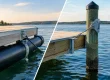
Another issue is choosing a system that does not match the site. Fixed docks can work well in stable, shallow water, while floating docks are often better suited to reservoirs and other sites with changing elevations. Yet floating systems need appropriately designed gangways and anchoring to remain secure and usable. The least expensive initial option is not always the lowest-cost ownership decision if it requires frequent repair, adjustment, or replacement.
Environmental restrictions are equally site-specific. Sensitive shoreline vegetation, wetlands, fish habitat, protected species, and erosion-prone banks can affect dock placement and installation methods. In some areas, construction timing is limited to reduce disturbance. A project that needs land clearing or equipment access may require more review than one assembled from the water with minimal shoreline impact.
Permit First, Installation Second
Ordering a dock before approvals are clear can create unnecessary pressure. Modular floating systems can be configured for many shoreline conditions, but product flexibility does not override permitting rules. A permit may limit the number of slips, the dock’s length, its roof coverage, the location of a kayak launch, or the type of anchoring allowed.
The better approach is to develop a preliminary concept, verify the applicable requirements, and then finalize the configuration around the approved plan. Keep written copies of permits, licenses, correspondence, approved drawings, and any inspection records. If the property is sold, many lake authorities require the dock authorization or shoreline license to be transferred, renewed, or reissued.
Do not treat approval as a one-time event, either. Adding a lift, expanding a platform, enclosing an area, moving a dock, or changing a private dock to commercial use may require a new review. After storms, flooding, or major water-level events, inspect the system and its anchoring before reopening it for normal use.
Build a Dock That Works With the Rules and the Water
A good permit strategy is part of a good waterfront design. It protects the property owner, respects shared water access, and gives the finished dock a better chance of performing well for years. The goal is not simply to get a permit in hand. It is to create safe, durable access that fits the shoreline, the intended use, and the authority responsible for the water.
EZ Dock Texas helps property owners, facilities managers, and public agencies plan modular floating dock systems around real site conditions, including variable water levels, access needs, and long-term use. Begin with the managing authority’s requirements, then build a design that makes the most of the waterfront you are allowed to use.