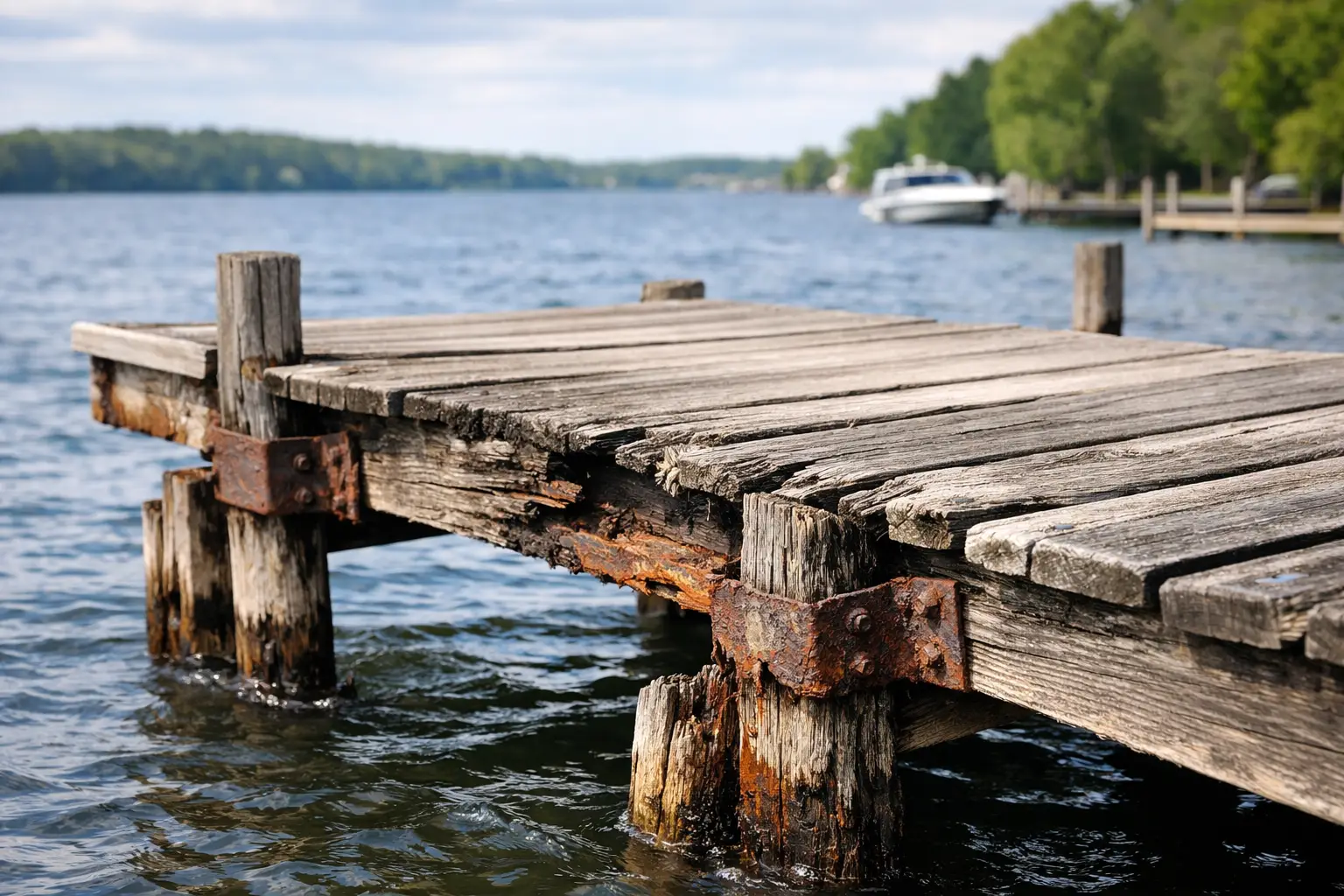
A fixed dock can look solid from shore while the conditions underneath are steadily shortening its service life. For lakefront owners, marina operators, and public facilities, understanding what makes fixed lake docks deteriorate faster helps prevent unsafe access, surprise repair costs, and a dock that no longer works when the water level changes.
Fixed docks are built on piles or posts driven into the lakebed, so they do not rise and fall with the water. That stable, permanent feel is appealing in the right setting. But it also means the dock must withstand years of exposure at the same connection points, waterline, and soil conditions. On reservoirs and lakes with regular drawdowns, storms, wake activity, or soft bottoms, those conditions can be demanding.
What Makes Fixed Lake Docks Deteriorate Faster?
The fastest-deteriorating fixed docks usually face more than one problem. Water movement may undermine a post while sunlight weakens the deck surface and aging fasteners loosen the frame. A dock can tolerate one stressor for a long time. Several working together can turn routine maintenance into structural repairs.
The key is to inspect the entire system, not just the walking surface. The piles, cross-bracing, framing, hardware, deck boards, and shoreline connection all carry part of the load.
Repeated wet-dry cycles at the waterline
The waterline is one of the harshest places on any fixed dock. Wood that stays continuously submerged has limited oxygen exposure, while wood that remains dry has an opportunity to dry out. The area repeatedly exposed as water rises and falls gets both moisture and air, creating favorable conditions for decay.
This is especially relevant on Texas and Oklahoma reservoirs, where seasonal levels can expose support posts for extended periods and then cover them again after heavy rain. The result can be cracking, checking, surface splintering, and rot near the point where posts enter the water or lakebed. Treated lumber helps, but treatment does not eliminate the need for inspection.
Water-level change also affects how usable a fixed dock remains. When the lake drops, a dock that was designed for normal water may leave boats, personal watercraft, or users too far from the water. That does not always mean the dock is failing structurally, but it can make a once-functional layout a poor fit for the property.
Rot, insects, and weathered decking
Wood is a familiar dock material, but it requires consistent upkeep. Constant sun exposure can dry and split deck boards, especially on wide-open shorelines with little shade. Rainwater then enters those cracks, and the cycle continues. Boards may feel firm from above while their undersides, joist connections, or end cuts are already retaining moisture.
Rot often starts where water is trapped: between boards and framing, under carpets or mats, around bolts, or at deck edges without drainage. Insects can add to the damage where untreated cuts, old lumber, or damp soil conditions give them an opening.
Decking issues are not only cosmetic. A warped board creates a trip point. A soft board can fail under concentrated weight. Loose boards and protruding fasteners are particularly serious for public docks, rental operations, and properties used by children and guests.
Corroded hardware and weakened connections
A fixed dock is only as dependable as its connectors. Bolts, brackets, nails, screws, and pile attachments are exposed to water, humidity, and changing temperatures. Standard hardware can corrode faster than expected, particularly where different metals touch or where hardware remains wet beneath the decking.
Corrosion is easy to miss because it often begins inside a connection. A rusted bolt head may be visible, but the more concerning damage can be hidden in the shank, bracket, or timber surrounding it. As hardware loses strength, the dock may begin to sway, sag, or shift under normal foot traffic.
Using marine-appropriate, corrosion-resistant hardware from the start makes a difference, but installation quality matters just as much. Hardware must be properly sized, tightened, and positioned so water can drain rather than collect around the connection.
Wave action, boat wake, and storm loading
Wind-driven waves and boat wake apply repeated side loads to fixed piles and framing. One wake will not usually damage a well-built dock. Thousands of small impacts over time can loosen connections, fatigue bracing, and wear away soil around support posts.
Storms raise the stakes. High water, floating debris, and strong winds can push against a fixed dock with forces far beyond ordinary daily use. Debris caught between piles can act like a lever. A boat left tied too tightly during rising water can pull against cleats or framing. Even if the dock remains standing, a major storm may leave hidden damage that should be evaluated before the next season.
Dock orientation matters here. A shoreline exposed to prevailing wind or open-water fetch needs a design that accounts for higher wave energy. Adding more material without addressing loads, support spacing, and anchoring does not necessarily solve the problem.
Soil movement and poor pile support
Below-water conditions often determine whether a fixed dock lasts. Soft sediment, shifting sand, erosion, or an improperly driven pile can allow supports to settle or lean. As one pile moves, the rest of the structure begins carrying loads differently. That can create a noticeable slope, cracked framing, or gaps where the dock meets land.
Erosion is common around shorelines that receive regular wave action. Water moving around piles can remove sediment gradually, leaving a post less supported than it appears from above. In clay-heavy areas, wet and dry seasons may also cause ground movement near the shore connection.
Before building or repairing a fixed dock, it is worth evaluating water depth, bottom composition, shoreline grade, flood history, and typical seasonal water levels. A design that works on a protected, stable private pond may not be appropriate for an exposed reservoir shoreline.
Design Choices That Can Shorten a Fixed Dock’s Life
Some deterioration begins before construction. Undersized framing, insufficient cross-bracing, overly long spans, and poorly placed piles can all lead to excessive movement. So can a layout that ignores the way people actually use the dock.
For example, a dock intended for occasional fishing has different loading needs than a marina walkway, swim platform, or commercial boarding area. Adding a boat lift, roof, storage box, benches, or railings after the fact can increase weight and wind load beyond what the original structure was designed to carry.
A fixed dock also needs a shoreline transition that can handle movement without creating a steep, uneven, or unstable entry. That point is frequently overlooked because it sits above the water, yet it is where changing soil and changing water levels often become most apparent.
Maintenance That Catches Problems Earlier
A seasonal walk-through is a practical starting point, with another inspection after major storms or unusual high water. Look for loose or missing fasteners, rust stains, cracked boards, soft spots, leaning piles, separated braces, and washout around the supports. Movement that was not present last season deserves attention.
Keep the deck clear enough to drain and dry. Leaves, mud, fishing line, and stored items can hold moisture against the surface. Replace damaged boards promptly rather than waiting for a larger section to fail. If the dock has electrical service, lighting, or water lines, have those components assessed by qualified professionals as part of the inspection process.
For facilities with heavy public use, document inspections and repairs. A simple record of storm checks, hardware replacements, and observed movement helps managers plan budgets and identify repeat trouble spots.
When a Floating Dock May Be the Better Long-Term Fit
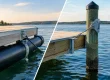
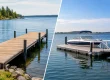
Fixed docks still make sense in some protected locations with stable water levels and suitable lakebed conditions. But where water fluctuates significantly, a floating dock system can reduce several common sources of fixed-dock stress. It rises and falls with the water, keeping the deck closer to a usable elevation for boats, kayaks, fishing, and everyday access.
Modular floating systems also allow the layout to change as needs change. A homeowner may add a kayak launch or PWC port later. A marina, park, or camp may need wider access, railings, accessible routes, or additional slips. Rather than rebuilding a permanent structure, a properly designed floating system can often be reconfigured or expanded.
The right choice depends on the shoreline, water depth, bottom conditions, exposure, intended use, and local requirements. EZ Dock Texas helps property owners and facility teams evaluate those details before they commit to a waterfront layout.
A dock should make time on the water easier, not become a recurring source of uncertainty. If a fixed structure is showing movement, decay, or repeated water-level limitations, addressing the underlying conditions now can protect both the waterfront investment and the people who use it.