A launch can look inviting from the shoreline and still be difficult for a paddler, parent, veteran, senior visitor, or adaptive athlete to use. Knowing how to create an accessible launch means planning the entire route to the water, not simply adding a ramp at the end. The goal is a stable, predictable place where users can transfer, enter, exit, and move equipment with confidence.
For a lake home, that may mean making a favorite kayaking spot easier for every generation of the family to enjoy. For a park, campground, school, marina, or public agency, it can mean providing meaningful access to the water while reducing avoidable safety concerns. A well-planned floating launch is built around real users, local conditions, and the way water levels change over time.
Start With the User Experience
Before selecting a dock section, gangway, or launch attachment, identify who will use the site and what they need to do there. A public canoe and kayak launch may serve first-time paddlers, organized programs, visitors using mobility devices, and people carrying coolers or fishing equipment. A private installation may need to accommodate children, grandparents, and different types of watercraft.
Think through the trip from the parking area or residence to the water. Is there a firm, navigable path? Is there enough room to turn, rest, or pass another user? Can someone carry a paddle and life jacket without negotiating loose gravel, steep grades, or uneven shoreline ground? Accessibility is strongest when the approach, gangway, dock surface, and launch zone work as one connected system.
It also helps to observe the site during its busiest use. A launch that works well for one person may feel crowded when a camp group, rental operation, or fishing tournament is moving through it. If the location supports more than one activity, separate circulation areas can keep people loading boats from interfering with those entering or exiting the water.
How to Create an Accessible Launch With a Floating System
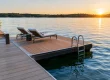
A floating dock system gives an accessible launch a practical advantage: it rises and falls with the water. At reservoirs, lakes, ponds, and rivers with changing levels, a fixed platform can become too high above the water or too far below it. Floating systems help maintain a more consistent relationship between the launch surface and the boat.
That consistency matters during transfers. Kayaks and canoes are naturally less stable than a dock, so the launch should provide a firm platform beside the vessel rather than force users to step onto a shifting shoreline edge. Modular floating dock sections can also be configured for the available shoreline, the number of users, and the kinds of boats the site serves.
The gangway is equally important. Its length, width, handrails, transition points, and slope should be designed for the expected water-level range. A gangway that is comfortable at normal pool may become steep when water drops. In locations with significant seasonal fluctuation, a longer gangway or a revised shore connection may be necessary to maintain practical access.
Accessible design should be reviewed against applicable local, state, and federal requirements, including ADA considerations where they apply. Requirements can vary based on whether the site is public, private, newly constructed, altered, or operated by a government entity. A qualified waterfront designer can help distinguish between code obligations and good-use features that make the launch more comfortable for everyone.
Build Stability Into Every Transition
Most launch problems happen at transitions: from land to gangway, gangway to dock, dock to boat, and boat back to dock. Each connection should feel deliberate and secure.
A level, slip-resistant floating surface gives users a dependable place to stage equipment and prepare for entry. Deck texture matters, particularly where wet shoes, dripping paddles, mud, and sunscreen are part of normal use. Open gaps, abrupt elevation changes, and cluttered layouts can create challenges for walkers, wheelchairs, carts, and people using crutches.
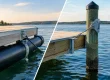
The dock must also be anchored correctly for the environment. Wind exposure, wake, water depth, soil conditions, current, and water-level changes all affect how the system behaves. An accessible launch cannot feel dependable if the dock shifts excessively, binds against its anchoring, or lands poorly at the shore connection.
For many sites, the best layout includes a protected entry area that reduces the effect of waves and passing boat traffic. The exact approach depends on the waterbody. A calm private pond may need a straightforward floating platform, while a busy public lake may benefit from additional stabilization, strategic orientation, or a protected slip-like space for launching.
Choose Features That Support Independent Use
An accessible launch does not need to be complicated, but it should offer useful points of contact and enough clear space for safe movement. Handrails along a gangway can assist people with balance and provide reassurance for anyone carrying gear. Railings on selected dock areas may also improve safety, although the actual launch edge must remain usable for boat entry.
Consider how a person will position a kayak or canoe next to the dock. A low freeboard and an appropriate launch configuration can reduce the height difference between the dock and the boat. Some users may benefit from grab rails, transfer supports, or a launch system designed to hold the craft in place while they enter. The right feature set depends on whether the launch serves recreational paddlers, adaptive programs, rental fleets, or a specific organization’s participants.
Storage is another overlooked detail. Dock boxes, paddle storage, and designated staging areas can keep walkways clear. Lighting may be valuable at a campground, marina, or park where users return near dusk. If fishing is part of the intended use, plan for rod holders, seating areas, and circulation space without allowing those features to block the launch route.
Plan for Maintenance Before Installation
Low maintenance does not mean no maintenance. A durable modular dock system reduces the recurring work associated with wood rot, splinters, staining, and many shoreline repairs, but every waterfront installation should be inspected regularly.
Check connections, anchoring components, gangway rollers, handrails, deck surfaces, and shore transitions after major storms or unusual water-level events. Remove debris that can create trip hazards or interfere with movement. At public facilities, a simple inspection routine also helps staff identify wear before it becomes a service issue.
Durable, American-made floating dock components are particularly valuable where the launch will see frequent traffic or must remain in service for years. Modularity provides another long-term advantage. If a park expands its paddle program, a homeowners association adds a second access point, or a resort changes its waterfront layout, the system can often be reconfigured rather than replaced.
Use a Layout That Fits the Site
There is no single accessible launch layout that fits every shoreline. A narrow cove, steep bank, fluctuating reservoir, shallow pond, and busy marina each call for different decisions. The best design balances access, water depth, shoreline constraints, anticipated traffic, anchoring needs, and the budget available for the full installation.
A professional site review can identify issues that are difficult to see from a simple shoreline sketch, including seasonal depth changes, prevailing wind, erosion, utility conflicts, and the amount of gangway travel needed. EZ Dock Texas works with property owners and public entities to configure floating dock systems around those real-world conditions, from initial concept through installation.
A thoughtfully designed launch gives people a reason to use the waterfront more often. When the route is stable, the entry point is predictable, and the system is built for changing water, the water becomes more welcoming for everyone.