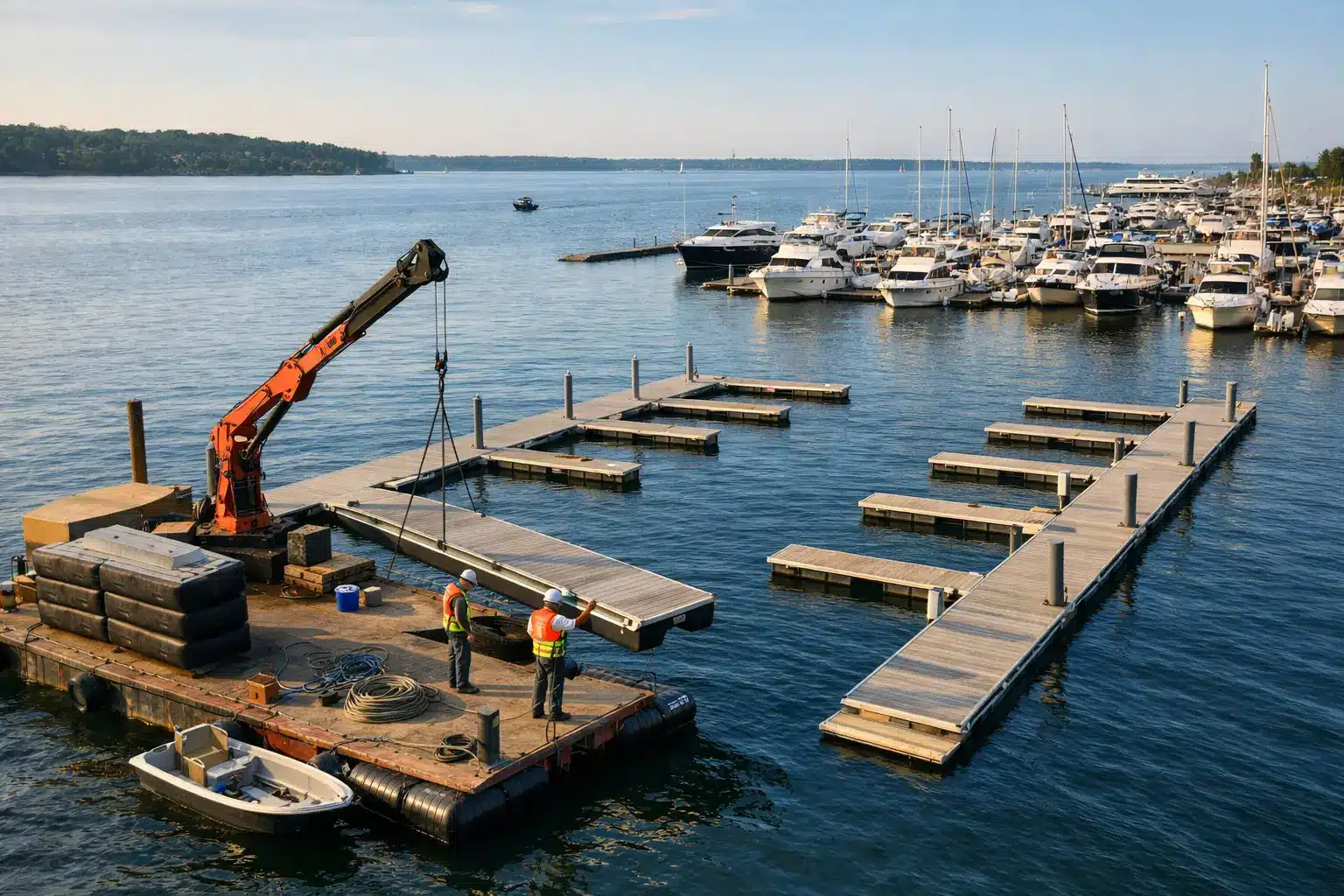
A full marina does not always need a full rebuild. When seasonal demand is outgrowing available berths, the ability to expand marina slips with a modular floating dock system can add revenue-producing capacity while preserving the infrastructure that is still performing well. The right approach starts with more than counting open water. It requires a practical look at vessel mix, traffic patterns, water levels, anchoring, shore access, and the experience boaters expect when they pull into a slip.
For marina owners, resorts, campgrounds, waterfront developments, and public facilities, expansion is usually a balancing act. More slips can improve occupancy and long-term value, but poorly planned additions can create tight fairways, difficult boarding, maintenance headaches, or permitting delays. A thoughtful floating dock layout helps avoid those trade-offs.
Start With the Demand You Actually Have
The first question is not simply, How many additional slips fit? It is, What kind of slips are customers asking for?
Review reservation history, waitlists, seasonal occupancy, and the types of boats currently using the marina. A facility with growing demand for pontoons may need wider slips and generous turning room. A fishing-focused marina may benefit from a mix of standard boat slips, covered boat ports, fish-cleaning access, and nearby kayak or PWC launch areas. A resort may need short-term guest slips near the main waterfront entrance rather than more long-term berths at the far end of the property.
This demand review also helps identify whether every new space needs to be a conventional slip. Sometimes the strongest return comes from adding a few larger premium berths, transient tie-up spaces, or personal watercraft ports that free up standard slips for boats. The layout should reflect the customers you serve, not a one-size-fits-all marina plan.
Evaluate the Existing Marina Before You Expand Slips
An expansion should work with the current marina rather than create a separate section that feels difficult to reach or operate. Walk the facility with a focus on circulation, access, structural condition, and utility capacity.
Measure Fairways, Berths, and Turning Areas
Boat slips only work when boaters can enter and leave them comfortably. Fairway width depends on the length, beam, maneuverability, and typical approach angle of the boats using the facility. Wind exposure, current, and the experience level of renters or guests matter too. A layout that works for experienced operators in calm water may frustrate families arriving in afternoon wind conditions.
Measure existing berth widths and lengths, then compare them with current vessel sizes. Many marinas were built for boats that are smaller than the pontoons, wake boats, cabin cruisers, and fishing boats now common on Texas, Oklahoma, Arkansas, and New Mexico lakes. If current slips are undersized, expansion may be an opportunity to correct the most valuable portions of the marina instead of repeating an outdated layout.
Check Shore Connections and Utilities
New slips increase traffic through the entire facility. Confirm that the gangway, entry dock, parking area, fuel dock, restrooms, and emergency access can handle more users during peak weekends. If electrical service or water is offered at the slips, have a qualified professional evaluate available capacity before finalizing the expansion footprint.
This is also the right time to consider lighting, railings, dock boxes, ladders, and safety equipment. These details influence how secure and well-managed a marina feels, especially for guests returning after sunset.
Why Floating Docks Make Slip Expansion More Flexible
Fixed infrastructure can be difficult and expensive to modify once it is in place. Modular floating docks offer a more adaptable path when the goal is to add capacity, reconfigure a basin, or phase construction over time.
A floating dock rises and falls with changing water levels, maintaining a more consistent step from boat to dock. That is particularly valuable on reservoirs and lakes where water elevation can shift significantly through the year. With proper anchoring and a well-designed gangway, the system can remain stable while still accommodating normal movement and changing conditions.
Modular sections also allow a marina to add fingers, lengthen an existing run, create a T-head, or adjust the mix of slip sizes as demand changes. If a new expansion proves especially popular, future additions can often build from the same system rather than forcing a complete replacement. The flexibility is useful, but it does not remove the need for good planning. Anchoring, wave exposure, depth, and shoreline conditions must be designed for the site.
Design for Safe Movement, Not Just Maximum Density
The temptation to fit every possible berth into open water is understandable. However, the highest number of slips is not always the highest-value layout. Boaters will notice narrow walkways, awkward corners, and difficult boarding long before they appreciate an extra row of slips on a site plan.
A good marina layout gives people room to move equipment, step aboard safely, and assist children, guests, or older family members. It also gives staff space to inspect docks, manage docking assistance, and respond when weather changes quickly.
Consider the path from the parking area to each berth. Long routes may justify wider main walkways, rest points, improved lighting, or utility carts. If the marina serves the public, a park, or a municipal facility, accessibility requirements and user needs should be considered early. Accessible routes and boarding areas are much easier to incorporate into the initial layout than to retrofit later.
Separate high-traffic activities when possible. Kayak and canoe launches, swimming access, fueling, fish-cleaning areas, and personal watercraft use can all create congestion around boat slips. A marina functions better when these activities have designated areas rather than competing for the same dock face.
Account for Water, Wind, and Anchoring Conditions
Every expansion is site-specific. Water depth can vary across a cove or basin, and seasonal fluctuations may change where boats can safely operate. Before settling on a layout, verify water depth at normal, low, and high-water conditions. A slip that looks practical during a site visit may become difficult to use when the lake drops.
Wind and wave exposure deserve equal attention. Open-water locations may need different anchoring strategies, heavier-duty components, or protective orientation than sheltered coves. Boat traffic can also create wake action that affects dock comfort and long-term performance. The goal is not merely to keep the dock in position. It is to create a stable, usable system that protects vessels and supports daily marina operations.
Anchoring options can include pile systems, cable systems, deadweight anchors, and combinations designed around the bottom conditions and expected water movement. The best choice depends on depth, soil conditions, water-level variation, environmental requirements, and the dock configuration. A professional site review can prevent costly changes after installation.
Plan Permitting and Construction in Phases
Permitting responsibilities vary by property ownership, water body, jurisdiction, and the scope of the work. Marina owners should identify applicable lake authority, municipal, state, federal, utility, and environmental requirements before ordering materials or promising new slips to customers. Projects involving public access, navigable waterways, shoreline work, or utility connections may require additional review.
Phasing can make an expansion more manageable. A marina may begin with the most profitable section, such as larger covered slips or a high-demand transient dock, then add future fingers or sections as occupancy supports the investment. Modular floating systems are well suited to this approach because the initial configuration can be designed with future connection points in mind.
Construction timing matters as well. Scheduling work around peak season, local fishing events, or resort occupancy can reduce disruption. A clear plan for temporary vessel relocation, access routes, and customer communication protects the operating reputation of the marina while improvements are underway.
Build in Flexibility for the Next Five Years
An expanded marina should not be designed only for this season’s boats. Leave room in the layout and infrastructure plan for future changes in vessel size, customer mix, and waterfront amenities. Extra electrical capacity, planned utility pathways, connection points for additional dock sections, and reserved space for a launch or dock office can save significant expense later.
It is also wise to consider long-term maintenance. Durable, low-maintenance, American-made floating dock components can reduce the ongoing labor associated with traditional waterfront structures. That does not mean maintenance disappears. Docks should still be inspected regularly for anchoring condition, hardware, utility connections, surface wear, and damage after storms. It does mean the marina team can focus more time on guests and operations instead of constant repairs.
EZ Dock Texas helps waterfront owners turn expansion goals into site-specific dock plans, from initial slip layouts and anchoring considerations through delivery and installation. The best next step is to evaluate the water, the boats, and the customer demand together, then add capacity in a way that will still serve the marina well when the next season is even busier.